

Banknotes are more than simply the pieces of paper we trade for goods and services; they are images of a country’s identity, culture, and economics. Global regulations guiding the handling of banknotes differ significantly ranging from cultural factors to hygiene requirements. Cultural standards, historical customs, and even legal obligations are reflected in these activities. In this blog article, we’ll examine some remarkable banknote handling rules from other nations in more detail and discuss the reasons behind these varied approaches. In order to avoid any issues with the local authorities, travellers handling banknotes in these nations must be aware of these restrictions.
Thai currency often features images related to Buddhism, reflecting the country’s dominant religion. Moreover, The Thai baht especially features the image of the monarch such as King Maha Vajiralongkorn (Rama X), or the past kings from the Chakri Dynasty. It’s illegal to deface or disrespect images of the Thai king, including those on currency. It is considered that anybody is disrespectful to step on or mishandle banknotes bearing the image of the king. Thai customs dictate that banknotes should be handled carefully and not crumpled or folded excessively. Moreover, tearing, writing, or otherwise disrespecting banknotes can result in serious consequences.

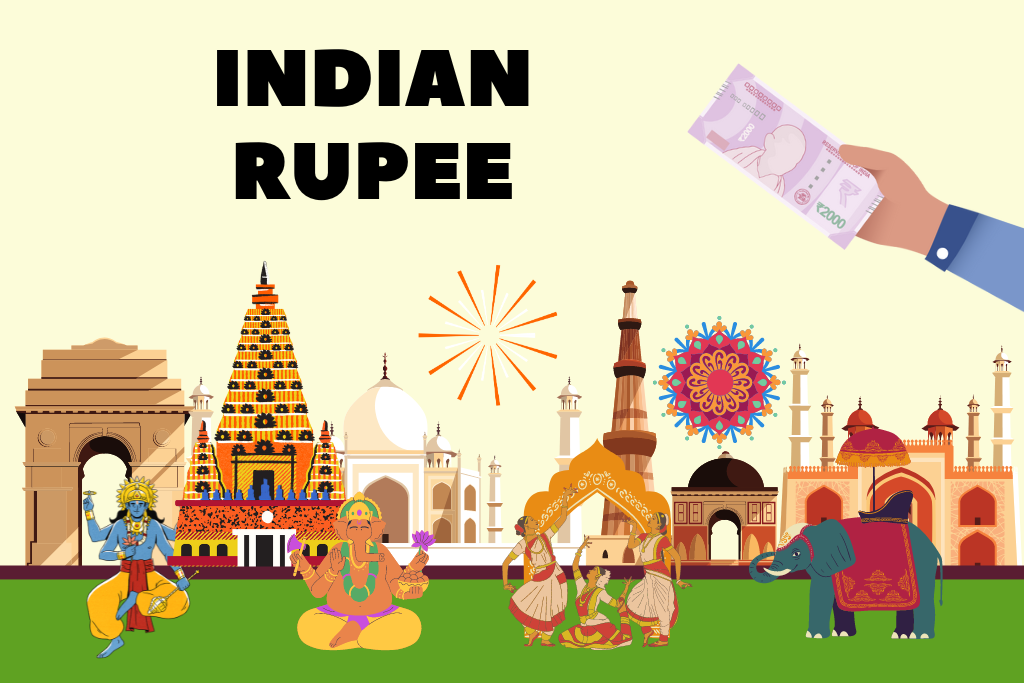
In India, banknotes featuring images of national leaders or symbols hold cultural significance. Therefore, they are often considered sacred and are treated with great care and reverence. It is customary to avoid placing banknotes on the ground or stepping on them, as this is seen as disrespectful. Additionally, tearing or defacing banknotes is strictly prohibited
Moreover, during religious ceremonies and auspicious occasions, it is customary to give crisp, new banknotes as gifts, symbolizing prosperity and good fortune.
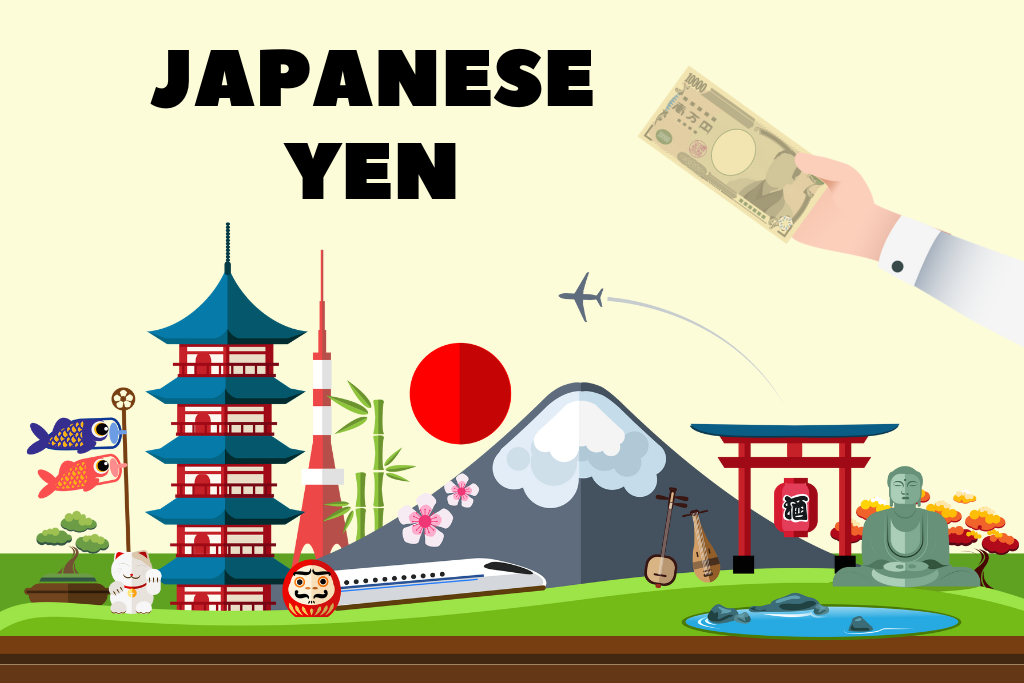
In Japan, banknotes are treated with utmost respect and care. It is considered impolite and even offensive to crumple, fold, or write on banknotes. Japanese culture emphasizes cleanliness and preservation, leading to meticulous handling of currency.
The Japanese yen is printed on durable polymer materials, making it resistant to dirt, moisture, and tearing. Additionally, Japanese citizens often use specialized wallets designed to keep their banknotes neat and tidy, reflecting a cultural commitment to maintaining the integrity of their currency.
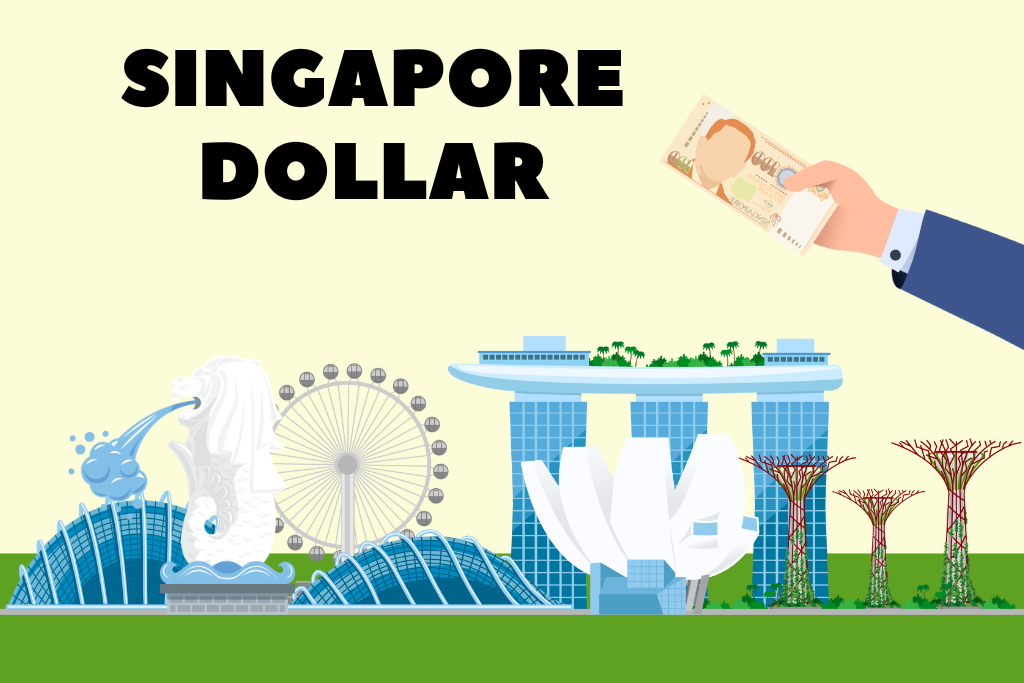
Singapore is renowned for its cleanliness, and its currency reflects this national identity. The government enforces strict regulations against defacing, damaging, or soiling Singaporean Dollar banknotes. Citizens and visitors alike must handle Singaporean banknotes with care to avoid fines or even imprisonment.
The Monetary Authority of Singapore (MAS) oversees the Clean Currency Policy, which prohibits actions such as writing, tearing, or stapling banknotes. Violating these regulations can result in fines or imprisonment, highlighting the seriousness with which Singapore regards the cleanliness of its currency.
You could visit many countries that request cash only. Having travel cash on hand will help you avoid losing out on adventures since credit cards aren’t accepted somewhere. Remember to include in the extra transaction costs that you will easily ignore, in addition to the low foreign currency rates at the airport. At FEFX, the voyage around the globe begins!
A wide range of foreign currency exchange services are provided by FEFX. For people and companies looking for effective foreign exchange solutions, FEFX is the number one alternative because of its ZERO fees, competitive rates, secure transactions, easy pick-up choices, and professional customer service.