| CASH |
 |
|
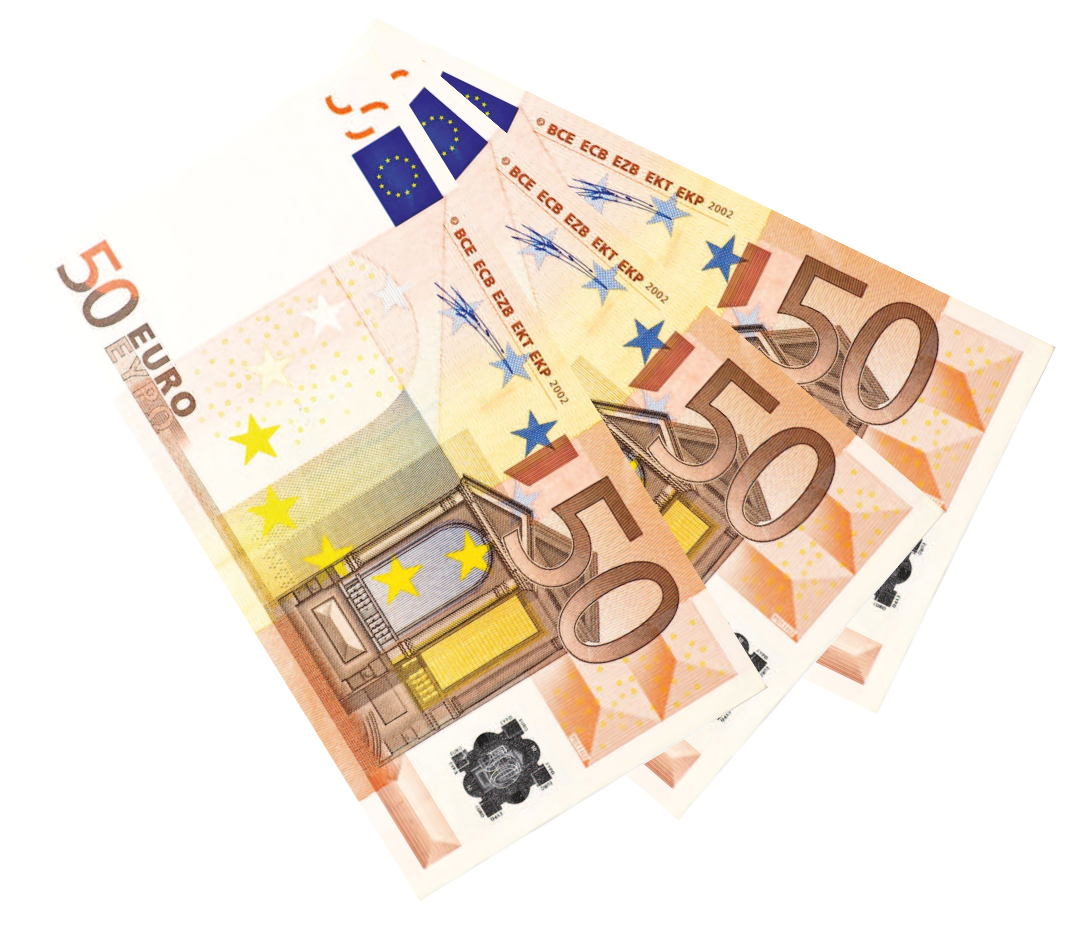
Cold, hard cash is the universal payment method. It’s integral
to note, that though the world of technology is growing at an exponential rate, that
paying is as simple as tapping a card, not all countries are keeping up. There are still
a significant number of countries that are heavily cash-dependent. |
|
| PROS |
CONS |
- Integral. Essential in emergency situations; ATM eats your card, card gets
stolen or blocked etc.
- Peace of Mind. ATMs are scarce in some countries, and in some cases even
run out of money.
- Accessible. Markets, street vendors and some small businesses are not
equipped to accept card payments. Cash is key.
- Convenient. First Eastern FX provides foreign currency exchange
services delivered fast to your door or picked up in-store.
- Efficient. No time wasted searching for ATMs or loading new foreign
currencies onto your card, it’s right in your pocket.
- No Fees. No hidden transaction or conversion fees (ATMs, eftpos payments
etc.).
- Exchange rate security. Purchasing cash means you have fixed exchange
rates and don’t experience fluctuations in the market. Avoiding low currency exchange rates and
unfavourable fees at the airport
- Cheaper. First Eastern FX exchange rates are far better than what
the average banks offer.
- Bargaining Power. The ability to negotiate prices are higher when paying
with cash.
- Useful. For small payments and tipping.
- Confidential. There is no risk of identity theft or fraud.
- Budgeting is a breeze. For short trips you can allocate a daily cash
allowance in envelopes.
|
- Risk of theft. If you don’t stash your cash in multiple locations and are
robbed, your money is gone forever.
- Pre-authorisation. Some hotels and car rental agencies require a credit
card for pre-authorisations.
- Inflexible. If you wish to spend more than your allocated budget, you
simply can’t. That is unless you brought a credit card with you.
|
| TRAVEL CARD |
 |
|
Cold, hard cash is the universal payment method. It’s integral
to note, that though the world of technology is growing at an exponential rate, that
paying is as simple as tapping a card, not all countries are keeping up. There are still
a significant number of countries that are heavily cash-dependent. |
|
| PROS |
CONS |
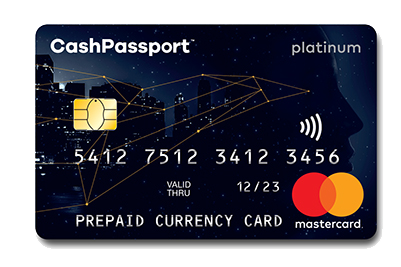
- Convenience. You are able to load single or multiple currencies onto the
one card. So if you’re travelling to multiple countries, this is mighty handy.
- Benefits. Some travel cards have the same benefits of a debit card, such
as emergency cash and card replacements.
- Locked in Rates. The exchange rate at the time you convert your money is
the only exchange rate you have to worry about. That is of course, if you don’t reload at any
point.
- Comfort. You have the option to reload your card online or by SMS. Most
travel cards having their own app attached to the company.
|
- Inconvenient. Some cards make it difficult to obtain the remaining balance
left on your card once you return from your trip.
- Troublesome. Some countries may not accept your card company. Some cards
have limited currencies available.
- Inaccessible. Markets, street vendors and some small businesses are not
equipped to accept card payments.
- Unreliable. ATMs and eftpos machines rely on an electricity supply and
phone signal. If they falter, which is common in developing countries and remote places, you
have no access to funds.
- Risky. ATMs are scarce in some countries, and in some cases even run out
of money.
- Bothersome. Travel money cards can take up to 3 days to make funds
available when reloading or transferring. Leaving you stuck or helpless in a foreign country.
- Pre-authorisation. Though you are permitted to use travel money cards for
pre-authorisations, the payment amount can be held for up to a month.
- Expensive. If you run out of one currency, and are forced to use another,
the exchange rate you pay on the currency conversion is the live rate not your locked in rates.
- Costly. IThe offered exchange rates are typically worse than when using
your regular debit card.
- Exorbitant. Be sure to monitor the monthly inactivity fees providers
charge once you return home.
- Steep. Making purchases in a currency not loaded on your card could see
you paying the rate plus a significant margin on the transaction.
- Fees. The list is extensive.
- – Initial card purchase fee
- – Supplementary card fee
- – Replacement card fee
- – Inactivity fee
- – Loading fee
- – Reloading fee- some providers take 1% of the amount you reload when using BPay or
debit card.
- – Transaction fees- for currencies not loaded on the card
- – ATM and other merchant transaction fees.
- – Closure fee
|
| CREDIT CARD |
 |
|
Cold, hard cash is the universal payment method. It’s integral
to note, that though the world of technology is growing at an exponential rate, that
paying is as simple as tapping a card, not all countries are keeping up. There are still
a significant number of countries that are heavily cash-dependent. |
|
| PROS |
CONS |
- Convenience. No need to set up anything extra, you’re good to go.
- Ease. Credit cards are handy when making reservations, larger purchases
and pre-authorisations.
- Benefits. Card programs typically include emergency cash, replacement
cards and travel insurance.
- Fund availability. Money is available to use up to your credit limit,
which is typically rather high and handy. Making it great for cash emergencies.
- Pre-authorisations. Credit card pre-authorisation payments are generally
only held for a day or week.
- Reward Points. Depending on your card, you have the opportunity to collect
reward points.
|
- Costly. Be prepared to pay a punishing exchange rate margin with every
transaction, in addition to other overseas charges.
- Inconvenient. Some countries may not accept your card company.
- Expensive. With the four big banks of Australia, it’s typically $5 per ATM
withdrawal and a 3% currency conversion charge for purchases.
- Troublesome. If you don’t notify your bank of your travel plans before you
leave, they may block your card believing fraudulent activity is occurring. Leaving you
stranded. Risky. High risk for skimming scams.
- Risky. High risk for skimming scams.
- Unreliable. ATMs and eftpos machines rely on an electricity supply and
phone signal. If they falter, which is common in developing countries and remote places, you
have no access to funds.
- Fees. They are plentiful.
- – Cash advance fee. Banks charge a fee for every withdrawal, most offering poor exchange
rates.
- – Interest accrues as soon as you withdraw.
- – ATM fees
- – Currency conversion fee
- Temptation. You may be tempted to overspend, blowing your budget out of
the window. Not to mention the interest you may find yourself paying many months after your
travels.
|
| DEBIT CARD |
 |
|
Cold, hard cash is the universal payment method. It’s integral
to note, that though the world of technology is growing at an exponential rate, that
paying is as simple as tapping a card, not all countries are keeping up. There are still
a significant number of countries that are heavily cash-dependent. |
|
| PROS |
CONS |
- Convenience. You already have your cards in your pocket, no need to set up
any other payment means.
- Cheaper Than Credit. Compared to a credit card, it’s generally cheaper to
withdraw from an ATM overseas.
- Exchange Rates. Debit cards offer better exchange rates than travel cards.
Though not better than cold hard cash exchange.
- Control. Accessing your own money means you’re more likely to have greater
control of your budget.
|
- Inconvenient. Some countries may not accept your card company.
- Unreliable. ATMs and eftpos machines rely on an electricity supply and
phone signal. If they falter, which is common in developing countries and remote places, you
have no access to funds. Much like the issues with travel money cards and credit cards.
- Expensive. Imagine withdrawing $1000 and paying $30 in fees. With the four
big banks of Australia, this is a reality. It’s typically $5 per ATM withdrawal and a 3%
currency conversion charge for purchases.
- Troublesome. Similar to credit cards, if you don’t notify your bank of
your travel plans before you leave, they may block your card believing fraudulent activity is
occurring. Leaving you stranded.
- Pre-authorisations. Some hotels and other businesses may not accept debit
cards for pre-authorisations. For those that do, they may hold the payment for up to a month.
- Less security. If you are a victim of fraud, the resolution of the dispute
may leave your money tied up and inaccessible.
- Problematic. You may be required to change your PIN, as some ATMs in
varying countries will not process PINs with more than four digits. In others, PINs with zeroes
cease to function.
|